
December 12, 2025
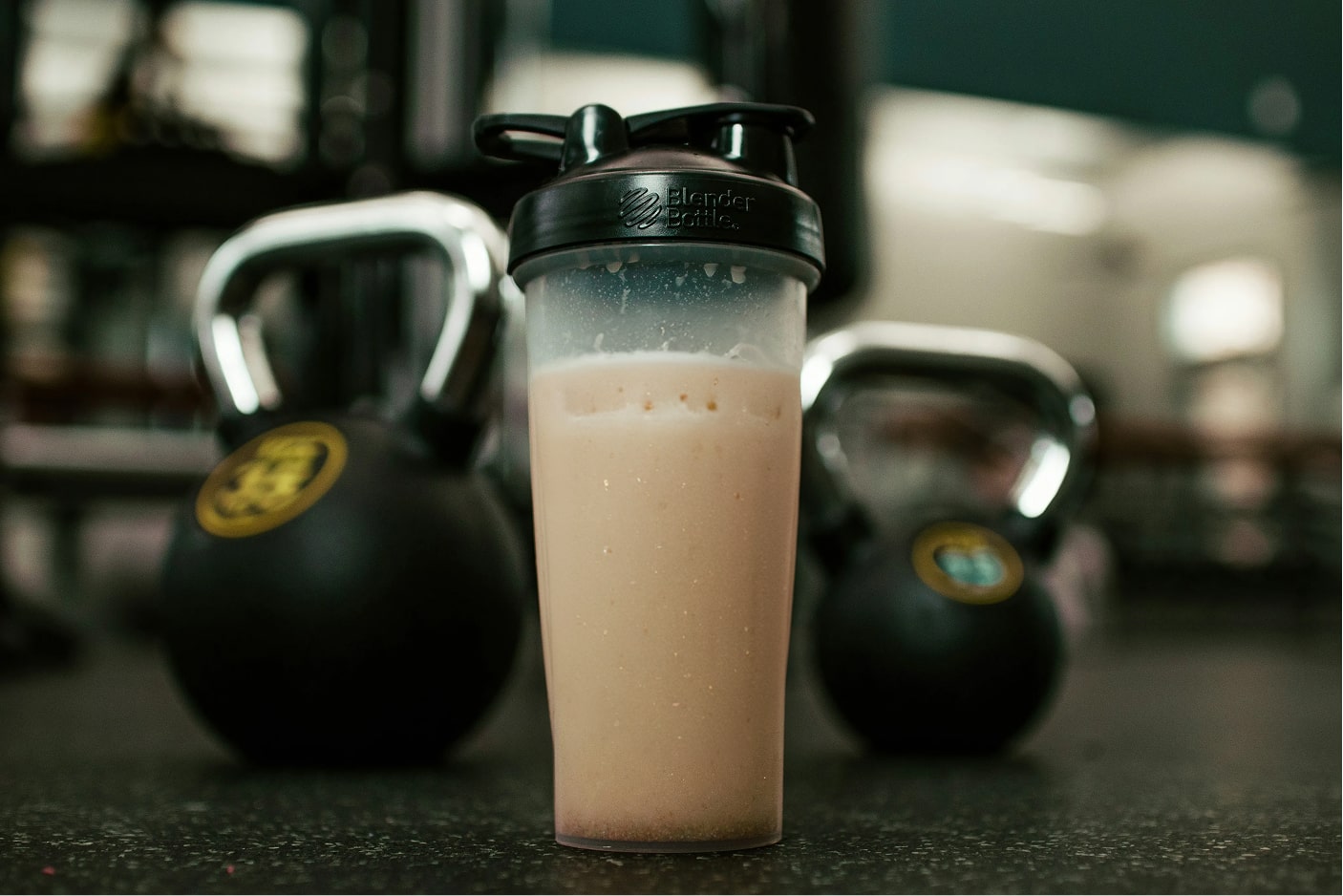
Protein is one of the three necessary macronutrients, and arguably the most important in the context of strength, performance, and general health. Protein contains 4 calories per gram and is made up of amino acids, the raw materials your body uses to repair damaged muscle fibers, build new muscle fibers, and form the enzymes and hormones involved in muscle function. Adequate protein intake, especially in a caloric deficit, also helps prevent muscle breakdown and preserve lean mass and strength gains.
In recent years, nutrition culture has placed a major emphasis on “high-protein” and “protein-added” foods. Grocery store shelves are now filled with products highlighting protein content and adding it wherever possible. While this trend represents a meaningful improvement over past nutrition messaging like “fat-free” or “low-fat,” it has also created confusion around what actually constitutes sufficient protein intake.
Much of this confusion stems from the disconnect between the FDA’s recommended daily allowance (RDA)—which reflects a bare minimum intake based on outdated nitrogen balance studies—and the amount of protein that is truly optimal for performance, recovery, and muscle growth.
So, what does adequate protein intake actually look like? More importantly, what intake could be considered optimal?
A large body of randomized controlled trials and meta-analyses has converged on an optimal protein intake range of 1.6–2.2 grams per kilogram of bodyweight per day, or roughly 0.73–1.0 grams per pound per day, to maximize muscle protein synthesis. Individual needs within this range vary based on factors such as activity level, age, and genetics, but in general, protein requirements increase as both activity level and age increase.
To further complicate matters, not all protein is created equal. Protein sources can be ranked by quality and digestibility using the Protein Digestibility Corrected Amino Acid Score (PDCAAS), which ranges from 0.0 to 1.0. Higher scores reflect higher-quality, more digestible protein sources.
For example, whey protein isolate scores a 1.0, beef scores 0.92, and chickpeas score 0.78. Because protein quality varies, higher total protein intake is often recommended. Animal-based proteins tend to be complete and more bioavailable, while plant-based proteins often provide additional benefits such as fiber and micronutrients. For this reason, we recommend varying protein sources, including lean meats, fish, dairy products, beans, lentils, and other plant-based options.
Consistently meeting protein needs can be challenging and does require some intentionality. Tracking intake can be useful initially, but it doesn’t need to be a long-term habit. Instead, aim to base most meals around a high-quality protein source and supplement with protein powders, bars, or high-protein whole-food snacks as needed to meet your daily target.
We’re happy to support members with dietary guidance, protein supplement recommendations, and practical strategies for increasing protein intake in a sustainable way.
This emphasis on protein becomes even more critical in the context of modern weight-loss medications. GLP-1 medications can lead to substantial muscle loss unless adequate protein intake and consistent strength training are maintained, making lean mass preservation a primary goal.

